


 BEST BRAND
 BEST SELLER
 FIND STORE NEARBY
 WARRANTY REGISTRATION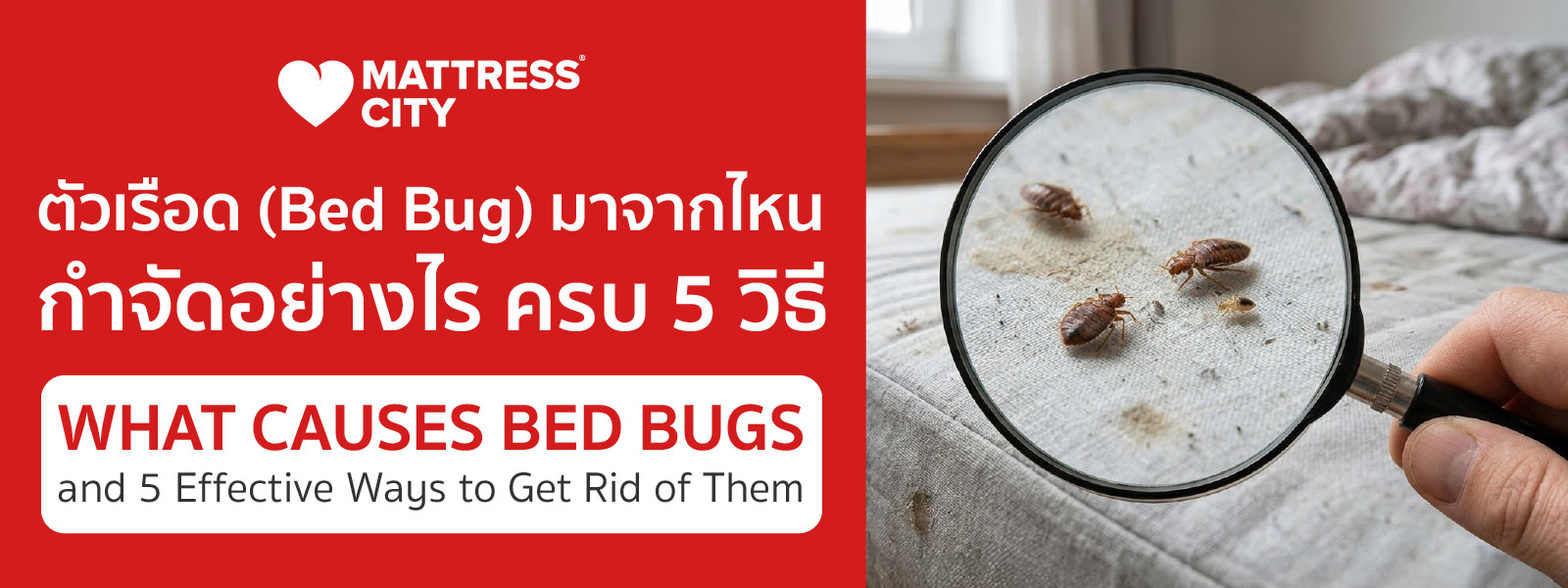
Ever had a night of restless sleep with an itchy, crawling sensation, like something biting you in the dark?
If you wake up to a row of red bumps on your arms, legs, or back, it might not be mosquitoes, it could be bed bugs, the tiny pests hiding in your mattress.
Bed bugs are a problem many households have without even knowing it, especially in mattresses, hotels, condos, dormitories, and homes where people travel frequently. This article covers everything you need to know: what bed bugs look like, bite symptoms, how to check for them, and 5 DIY ways to get rid of them, plus how to choose a mattress that protects against bed bugs long-term.
Key Highlights
- Bed bugs are small wingless insects (4–7 mm) that feed on human blood while you sleep. They can appear even in clean homes.
- Bed bugs often come from luggage, clothing, second-hand furniture, or places with high guest turnover such as hotels.
- Bites usually appear as red, raised bumps in a line. They don’t spread serious diseases but can disturb sleep and cause infection if scratched.
- 5 ways to eliminate bed bugs: wash items in hot water (60°C), heat drying, vacuuming, steam cleaning, or calling pest control professionals.
- Choosing a quality mattress with a bed bug protector is one of the best long-term prevention methods.
What Is a Bed Bug?
A bed bug (Cimex lectularius) is a small insect that feeds primarily on human blood. The name "bed bug" comes from its preference for living on beds and mattresses, emerging to bite while people sleep.
Where Do Bed Bugs Come From?
Many people assume bed bugs only appear in dirty homes, but that's a misconception. Bed bugs can infest even the cleanest spaces.
Common sources include:
- Carried in luggage after staying at hotels
- From second-hand clothing
- From second-hand furniture
- Found in places with high resident turnover such as apartments, dorms, or condos
- Public transportation
Bed bugs can climb up from floors and walls, and they reproduce rapidly.
What Do Bed Bugs Look Like?
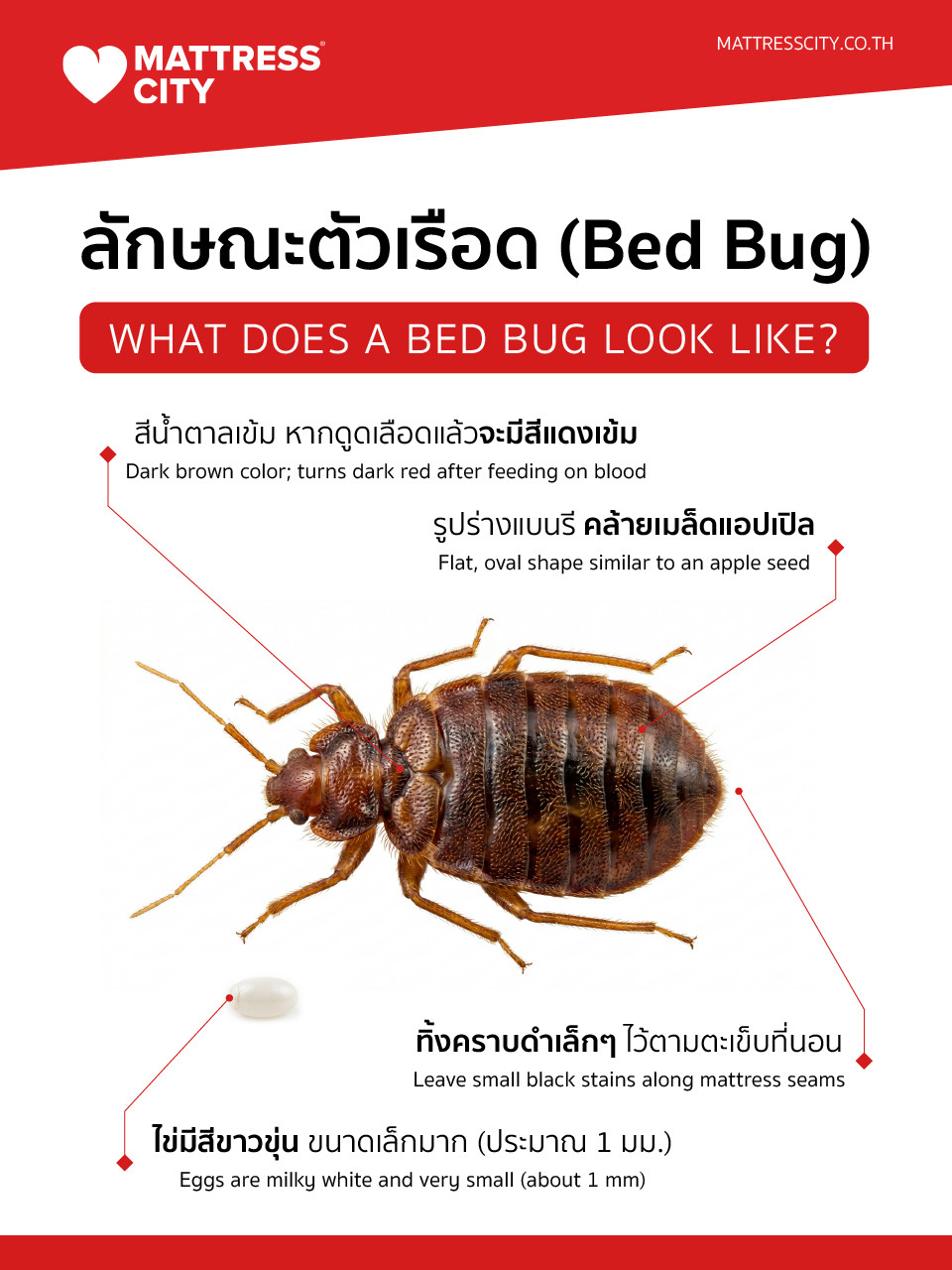
- Flat, oval shape similar to an apple seed
- Dark brown color; turns dark red after feeding on blood
- Eggs are milky white and very small (about 1 mm)
- Leave small black stains along mattress seams
If you notice tiny black specks or faint blood stains on your sheets, that's a warning sign.
What Do Bed Bug Bites Look Like and How Dangerous Are They?
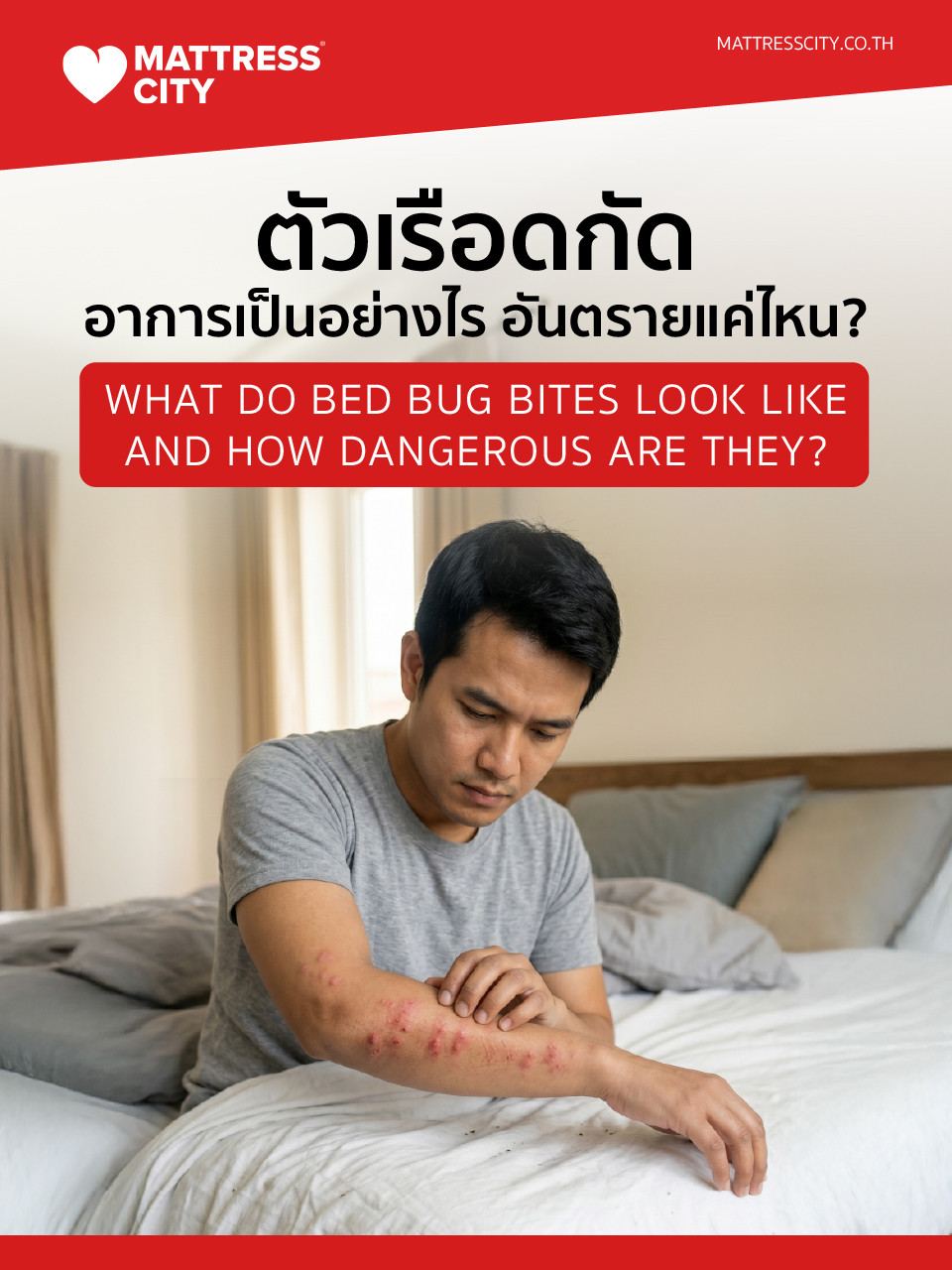
Bed bug bite symptoms
- Red, raised, and very itchy bumps
- Often appear in a line of 2–3 bites
- Commonly found on the arms, legs, neck, or back
- Some people may have an allergic reaction with more swelling than usual
Are Bed Bugs Dangerous?
In general, bed bugs do not directly transmit serious diseases, but they can cause intense itching that leads to scratch wounds, bacterial infection risk, sleep disruption, stress, anxiety, and an overall drop in quality of life.
In severe allergic cases, a doctor's visit may be necessary.
How to Check Your Mattress and Bed Frame for Bed Bugs
If you suspect an infestation, inspect as follows:
- Check mattress seams carefully
- Lift the mattress to inspect under the bed base
- Check cracks in the headboard
- Look for small black spots (bed bug droppings)
- Look for blood stains on the bedsheets
Use a flashlight to check dark, hard-to-see areas, bed bugs prefer to hide in the dark.
Treatment After a Bed Bug Bite
If you've been bitten, here's what to do:
- Wash the bite with mild soap and clean water
- Apply calamine lotion to reduce itching
- Use a mild steroid cream if the itching is severe
- Avoid scratching the area
- See a doctor if there is severe swelling or an allergic reaction
Prevention and Choosing a Bed Bug-Resistant Mattress
How to Prevent Bed Bugs
- Wash bed sheets in hot water (60°C or higher)
- Vacuum the mattress and bed frame regularly
- Avoid buying second-hand furniture without careful inspection
- Wash clothes immediately after returning from a trip
How to Choose a Mattress That Reduces Bed Bug Risk
- Choose a mattress with a dense structure and fewer gaps
- Use a bed bug mattress protector
- Pick breathable materials to reduce moisture buildup
- Choose a design that is easy to clean and does not have too many complex seams
- A good-quality mattress and a dust mite/bed bug protector can greatly help reduce the risk in the long term.
A high-quality mattress paired with a dust mite and bed bug protector is one of the most effective long-term defences.
5 DIY Methods to Get Rid of Bed Bugs
1. Wash with Hot Water
Temperatures of 60°C and above kill both bed bugs and their eggs.
2. Heat-Dry on High
Tumble drying on a high heat setting destroys eggs that are too small to see.
3. Vacuum Thoroughly
Focus on mattress seams, bed frame edges, and any cracks or crevices.
4. Steam Cleaning
The heat from steam effectively kills bed bugs on contact.
5. Call a Pest Control Professional
For a heavy infestation, professional treatment is the most reliable option.
FAQ: Common Questions
Q: Can bed bugs fly?
A: No, bed bugs have no wings, but they're excellent climbers.
Q: How long can bed bugs survive?
A: They can survive for several months without feeding.
Q: How are bed bugs different from dust mites?
A: Bed bugs bite and feed on blood. Dust mites don't bite, but they trigger allergies.
Q: Do regular insect sprays work on bed bugs?
A: They may help partially, but bed bug eggs are highly resilient. A combination of methods is recommended for best results.
Summary
Bed bugs are tiny insects that cause big problems, especially in mattresses and beds. Left unchecked, they multiply quickly and seriously disrupt sleep.
Knowing what bed bugs look like, how to check for them, and how to act early can dramatically limit the damage. And most importantly, choosing a quality mattress with a bed bug protector cover is the smartest long-term investment you can make for your sleep.
Don't let a tiny insect ruin your sleep.
Choose a clean, safe mattress designed for better health, every single night.
Browse quality mattresses and bed bug protectors from Mattress City here